Institution Service Dog
Institution Service Dog
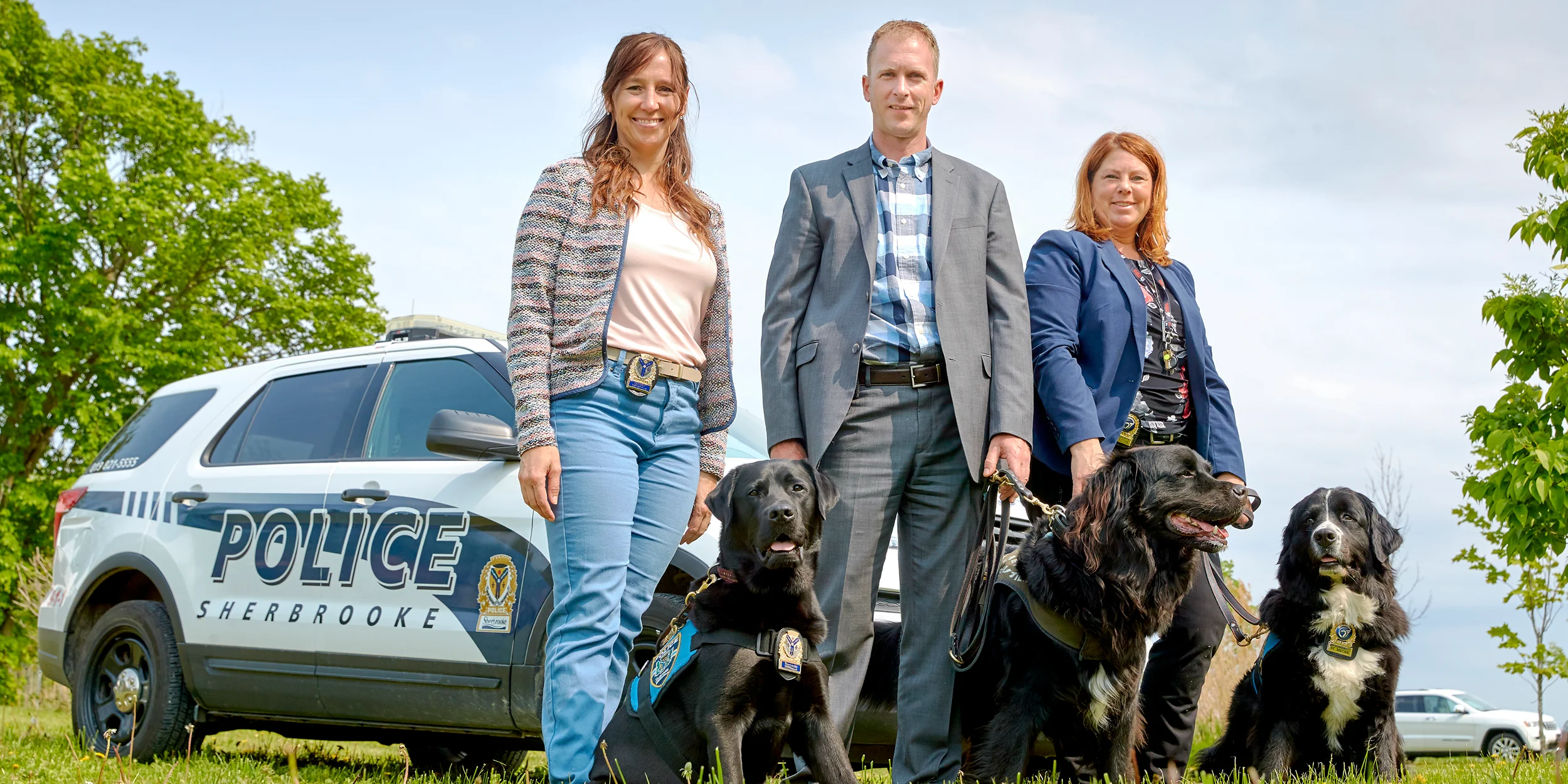
Among the partner organizations are:
Physical rehabilitation centers;
Crime victim assistance centers;
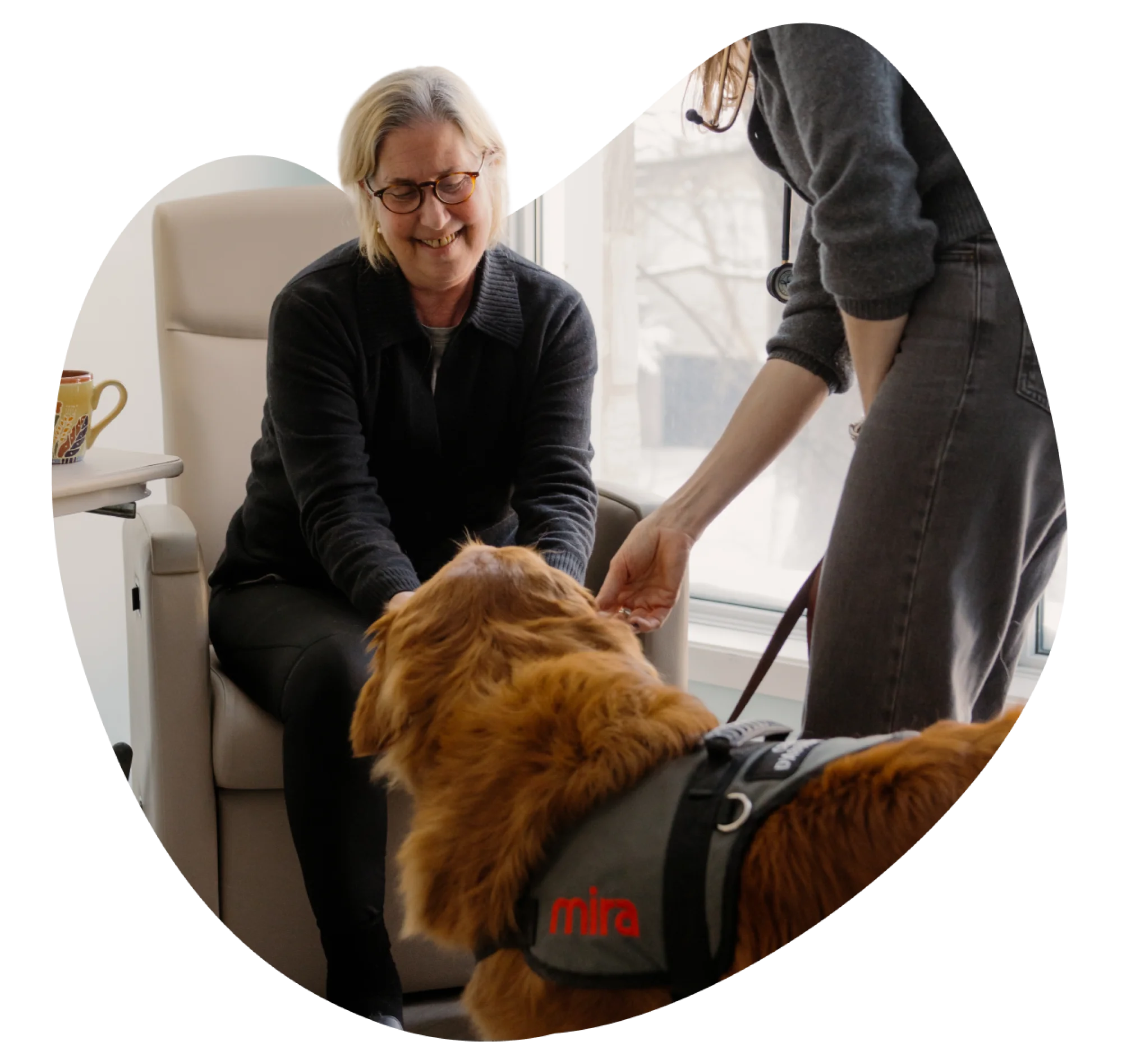
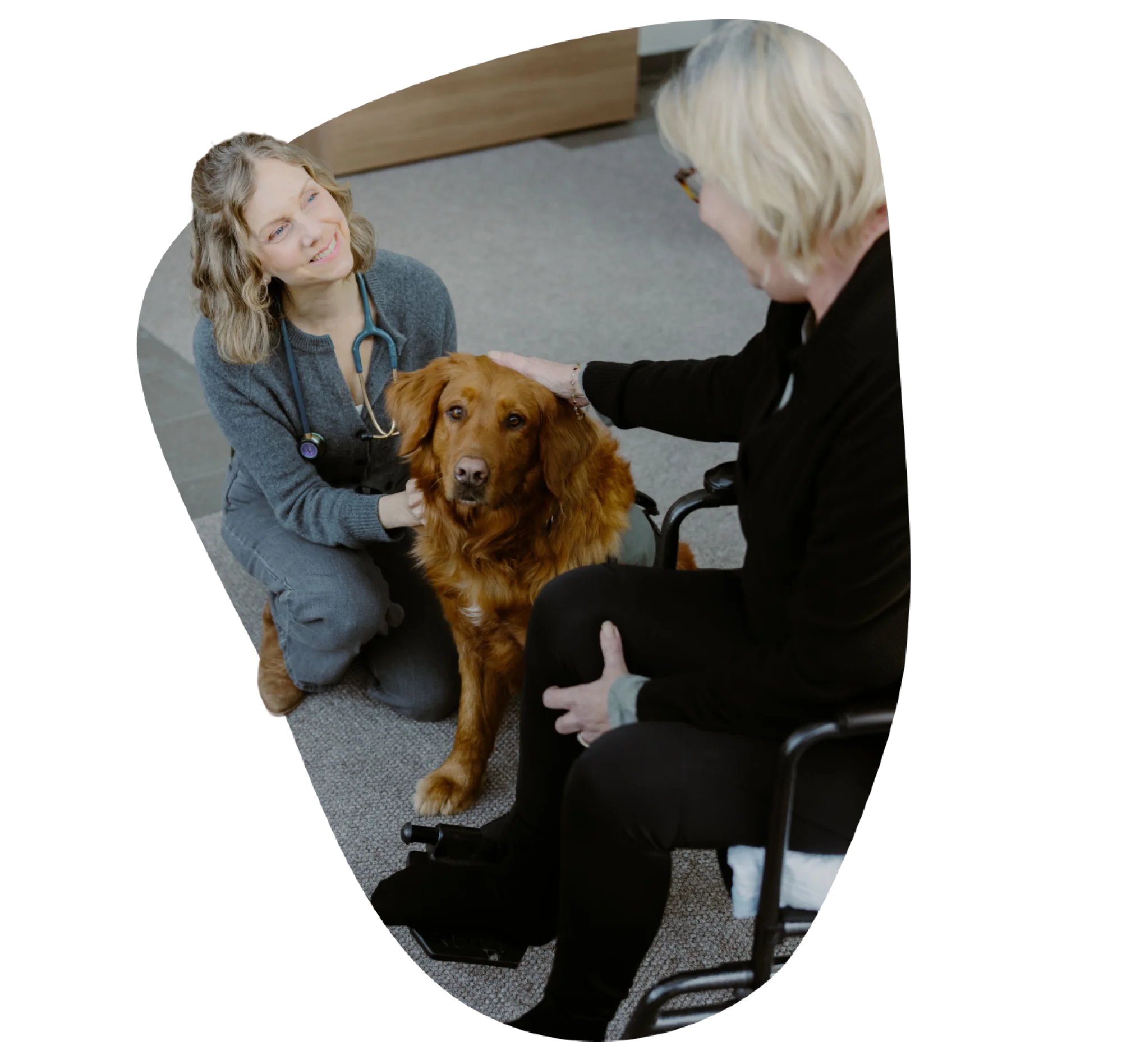
Hospital settings;
School environments;
Youth protection services and youth centers;
Police services;
Community organizations in mental health;
Palliative care homes.
Note: Dogs trained by Mira under this program are intended to support specialized interventions with vulnerable populations and are handled by a designated professional. They should not be confused with companion dogs, therapy dogs, or emotional support animals.
Program Objectives
Provide dogs that meet the highest standards, enabling professionals to access an alternative intervention method and helping their clients reach their full potential;
Equip, support, and advise institutions and organizations that work with a service dog;
Commit to research to advance knowledge and evidence-based practices for populations benefiting from service dogs.
Eligibility criteria
To be eligible for the program, the institution must:
Be a public or non-profit organization;
Obtain formal approval from management through a signed letter of support;
Commit to signing a five-year agreement and covering the dog’s expenses during that period;
Present a clear and structured project that will be evaluated in alignment with Mira’s mission and values;
Ensure stability and long-term commitment from the person responsible for the dog (both personal and professional investment).
Responsibilities of the person in charge
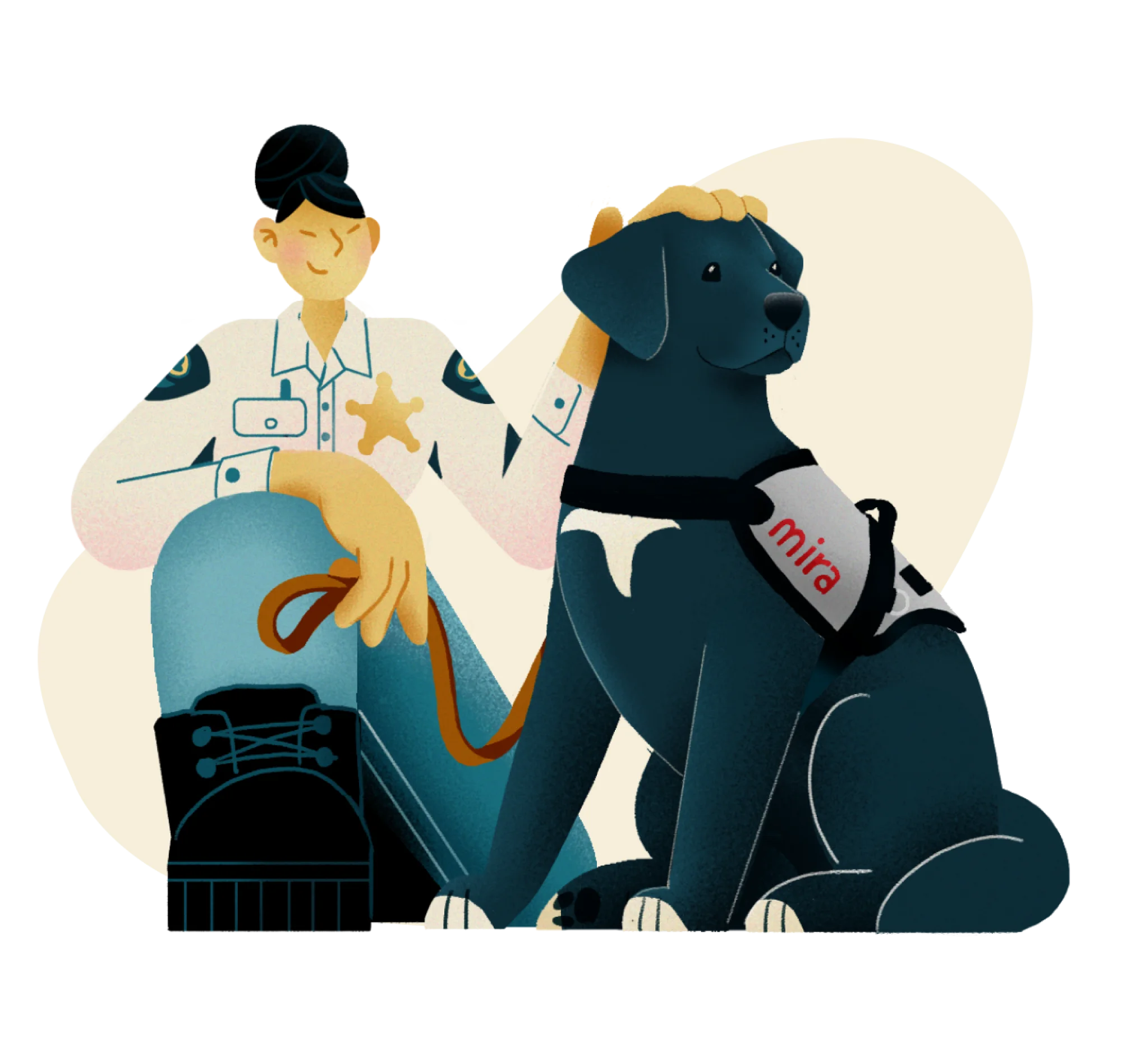
The dog handler is the professional or staff member who will work directly with the dog in supporting clients and commits to:
Housing the dog at their home;
Not having another dog in the household;
Participating in a 9-day class at Mira (accommodation and meals included);
Following all guidelines related to the dog’s integration and ongoing support.
If training a second handler is desired, the request must be evaluated by Mira. During the first year, only one designated handler will be trained.
Program process
The process begins with completing an expression of interest form. If the application is selected, a delay of 2 to 4 weeks is to be expected before receiving the official application form. The institution must then submit the online application along with a letter of commitment signed by management for review.
The evaluation committee conducts a preliminary analysis to identify the organization’s needs and assess the feasibility of the project. A virtual meeting may be requested to clarify the application.
The dog handler participates in an intensive 9-day class at Mira. This training aims to build an optimal relationship between the dog and the professional, as well as ensure full mastery of the dog’s skills within a professional context.
After the class, follow-up support is provided to ensure the dog’s smooth integration:
At home: to confirm the dog’s adaptation to the handler’s personal living environment;
In the workplace: to ensure the effectiveness and safety of interventions with clients.
Additional follow-ups can be scheduled as needed by the institution to maintain high standards and ensure the well-being of both the dog and the benecifiaries.
Our multidisciplinary team of qualified professionals
Behind every successful team is a dedicated staff that ensures the program’s success and the well-being of each human–dog duo.
Instructor: Trains the dogs and ensures the pairing with the beneficiary, and develops the duo’s skills.
Social Counselor: Typically trained in psychoeducation, the social counselor accompanies beneficiaries throughout the process, supporting emotional and relational adaptation with the dog.
Clinical Advisor: Supports social counselors and instructors by helping analyze sensitive situations and make careful decisions regarding the well-being of human–dog teams. They provide a clinical perspective to promote ethical interventions and ensure the quality and fairness of the guide and assistance dog programs.
Apply now
Please complete the expression of interest form to receive the link to the official application. If your expression of interest is accepted, please allow 2 to 4 weeks to receive the application form.