10th Mira Conversation – animal-assisted physiotherapy
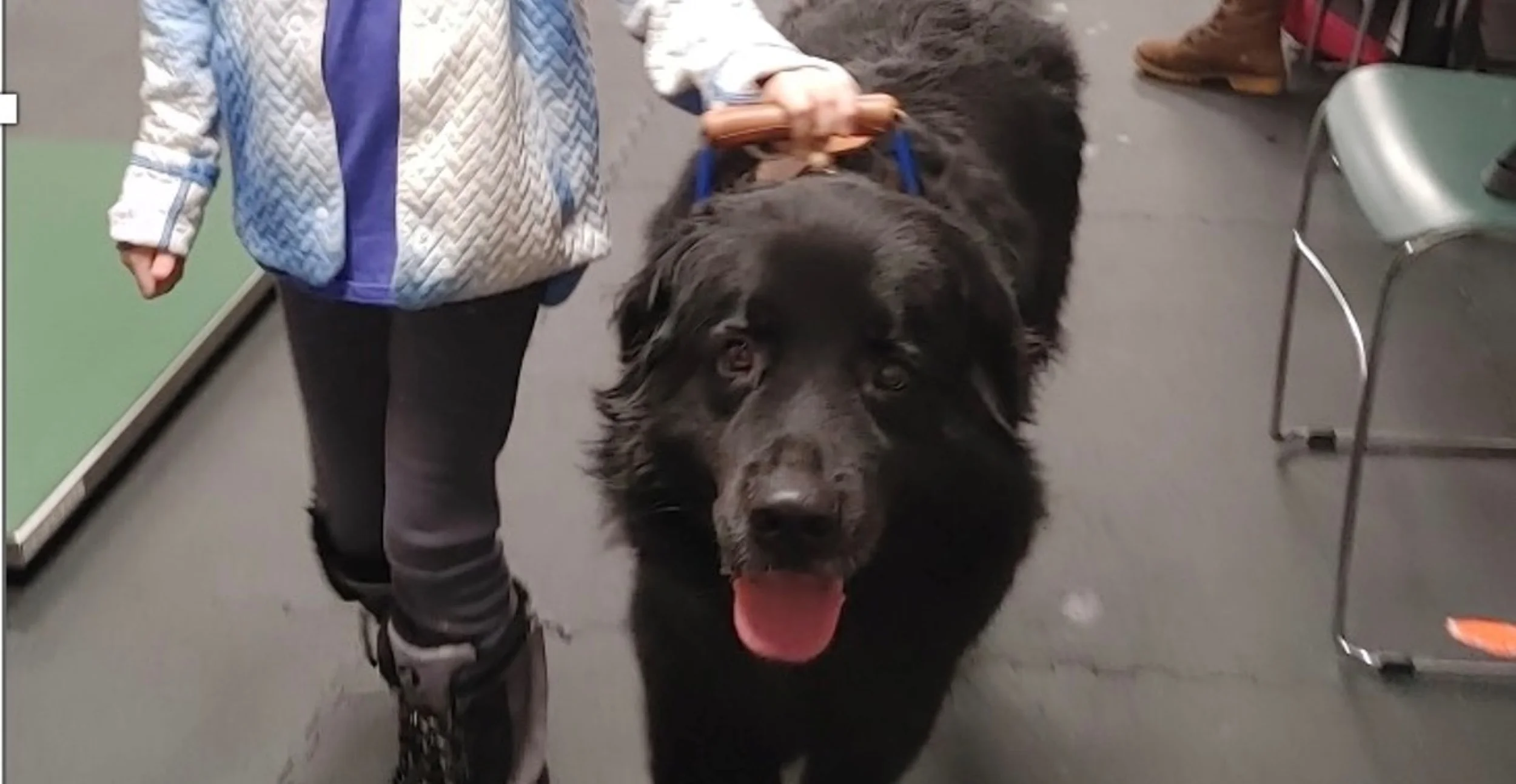
Unlike assistance dogs assigned to a single individual, rehabilitation dogs working in institutions support multiple beneficiaries within a therapeutic context supervised by professionals. This particular context raises important questions regarding both the effectiveness of the interventions and the well-being of the dog at work.
The research examined this reality from two complementary perspectives: the benefits for children and the physical impact of the work on the dog.
A powerful therapeutic lever for rehabilitation
The results show that the presence of a dog during physiotherapy sessions significantly increases children’s enjoyment, confidence, and sense of safety while performing exercises.
“It is difficult not to feel motivated when a dog is by your side. We observed that children were more engaged, more confident, and participated more actively in the exercises,” explains Valérie Caron, physiotherapist and assistant professor at the University of Saskatchewan.
The data also indicate positive functional trends, including more stable walking, improved balance, and better management of simultaneous motor and cognitive tasks.
For Valérie Caron, the presence of the dog profoundly transforms the therapeutic experience.
“The dog acts as a relational catalyst. It changes the interaction between the child, the therapist, and the therapeutic environment, which encourages engagement and perseverance during exercises.”
Understanding the impact of institutional work on dogs
The study also analyzed the dog’s biomechanics while working, using a pressure analysis mat that allows researchers to observe force distribution on the paws and the dog’s gait.
These analyses show that several factors influence the load placed on the dog, including:
the type of harness used;
the height of the handle;
the position and characteristics of the assisted person.
“We observed that walking with a harness and a human partner changes how forces are distributed across the dog’s body. Understanding these mechanisms is essential for preserving the health of assistance dogs,” explains Romany Pinto, a veterinarian specializing in sports medicine and canine rehabilitation.
In an institutional context, where a dog may assist several different people during the same day, this knowledge becomes particularly important.
Instructor expertise at the heart of best practices
Mira Foundation instructors present during the discussion emphasized that field experience confirms the importance of the trust relationship between the dog and the person being assisted, even when the dog works with multiple beneficiaries.
“If the dog is not comfortable or does not trust the person, its gait may change. We sometimes observe behaviors that indicate discomfort,” notes Pierre Morin, senior instructor at the Mira Foundation.
For Geneviève Deschênes, a Mira instructor, these results open important perspectives for better understanding how dogs adapt within these therapeutic contexts.
“Each person has their own gait and their own way of distributing their weight on the dog. Understanding how the dog adapts to this diversity is a fascinating question for the future of research.”
Better understanding the human–dog partnership
For Nathe François, Director of Research at the Mira Foundation, this study illustrates the unique challenges associated with assistance dogs working in institutional settings.
“These dogs assist several people in various therapeutic contexts. Understanding how these interactions influence both the child and the dog is essential to improving our practices.”
She also highlights the importance of combining scientific expertise with field experience.
“At Mira, we are always seeking to optimize the partnership between the dog and the people it assists. Scientific data help us identify ways to support both the effectiveness of interventions and the well-being of the dogs.”
New directions for research
Research teams now wish to deepen this work to better understand:
the biomechanics of the human–dog partnership;
the impact of different harnesses and equipment;
indicators of dogs’ well-being while working;
the adaptation of dogs assisting multiple beneficiaries in institutional settings.
This research therefore opens the door to dog-assisted physiotherapy that is increasingly grounded in scientific evidence, helping optimize both therapeutic interventions and the health of the dogs involved.
About Mira Conversations
Mira Conversations are virtual events organized by the Mira Foundation to highlight research projects related to assistance dogs.
They bring together researchers, students, and professionals from Quebec, Canada, and France to discuss various topics, including the effects of dogs on stress, behavioral analysis, and innovations in artificial intelligence.
Each conference highlights an ongoing or recently completed project in an accessible and interactive format.
Stay informed